The most dangerous place on a motorcycle
is standing still.
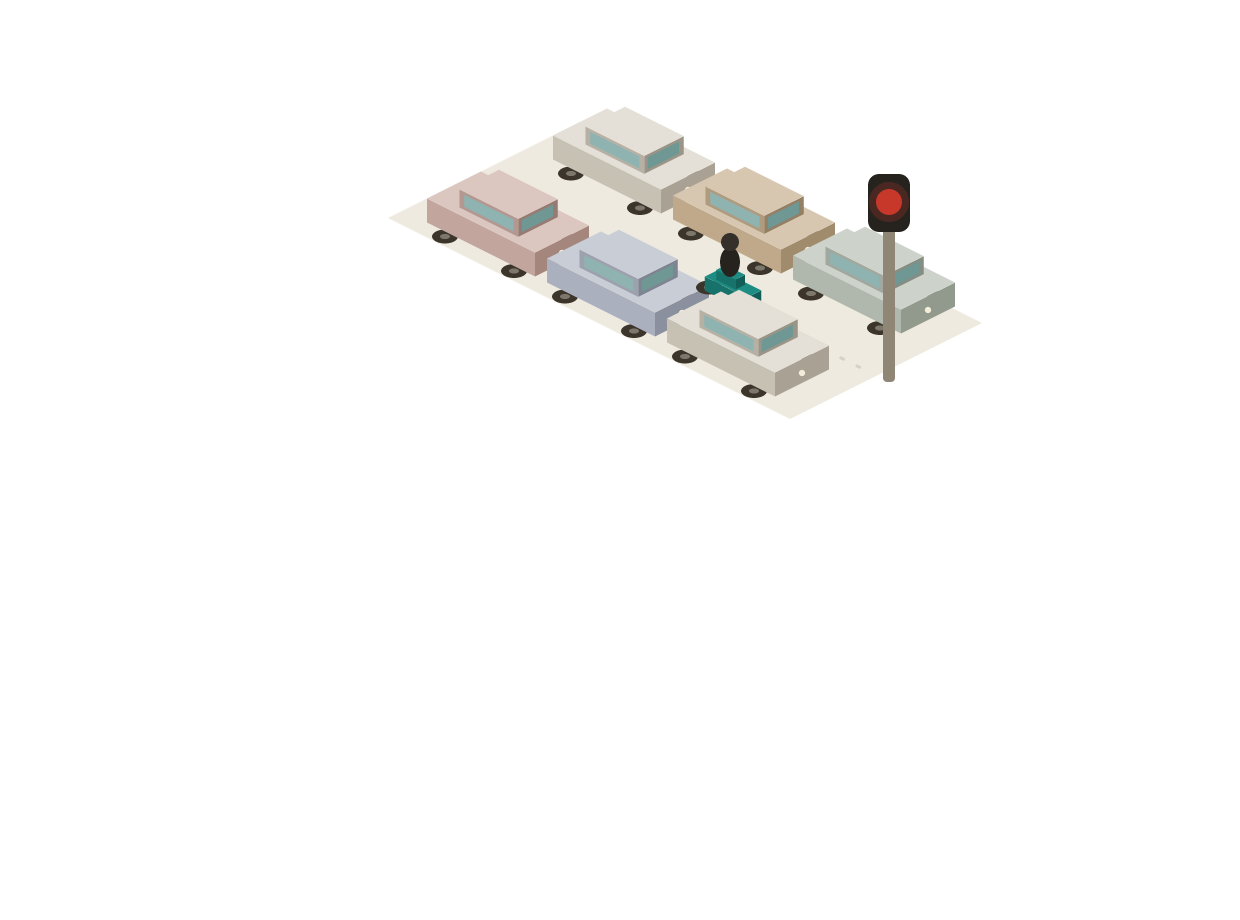
A red light. A rider boxed between two bumpers, watching the mirror, hoping the driver rolling up behind is looking at the road and not a phone. Lane filtering lets that rider move out of the way. Six states already allow it. Virginia still does not.
Every claim here links to a primary source with a verbatim quote. We want you to check our work.
Act now
Add your voice, then make it heard.
Pick where you stand and your pledge is counted right away. Then, if you want to go further, write a line or two in your own words and we will shape it into a polished email to your own elected officials, your Delegate, your Senator, and the Governor. We never send anything for you, and your address is used once to find your officials, then thrown away.
Where do you stand?
It looks like you are outside Virginia. The Virginia tally only counts Virginians.
Pledges are anonymous. We store your stance, an optional screened comment, a Virginia or non Virginia flag derived at the edge, and how long you spent reading before voting. We never store your name, email, address, or raw IP.
Why filtering
Ask a rider about their worst moment in traffic.
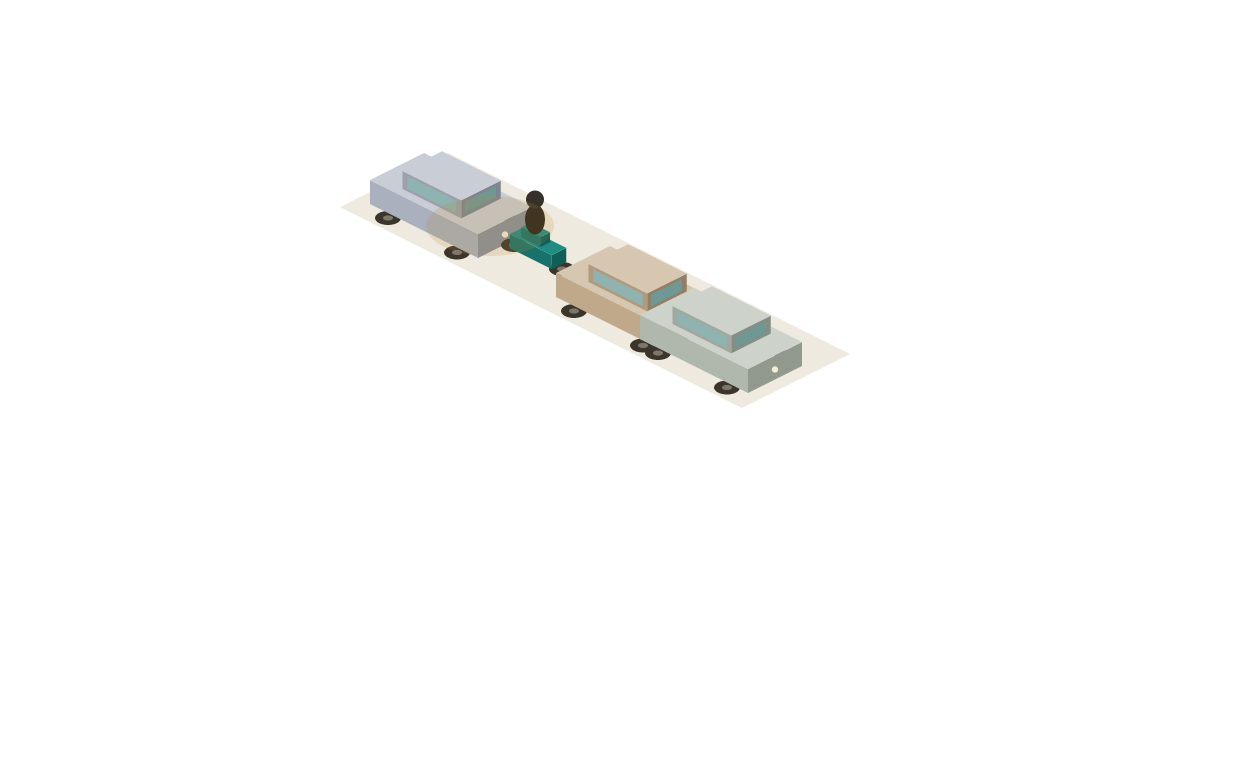
Ask any rider about a close call and it usually is not a fast corner. It is sitting at a red light, boxed in, watching headlights get bigger in the mirror. Filtering lets a rider slip out of that spot. Important distinction: this is the slow move past stopped traffic, not high speed splitting between moving cars. That is what the bill actually legalizes.
And one rider you cannot ask: a motorcyclist who was stopped in traffic on I-64 in Hampton when a vehicle failed to stop and struck him from behind. Stopped, in the exact spot filtering is meant to get a rider out of.
head injury rate, filtering riders vs others, in crashes studied.
verified · news.berkeley.eduHonest caveat: the Berkeley study measured injury severity among crashes that happened. It did not measure whether filtering changes the odds of crashing. Rigorous before and after US crash data is still limited.
The case for more riders
103 hours a year, lost to congestion.
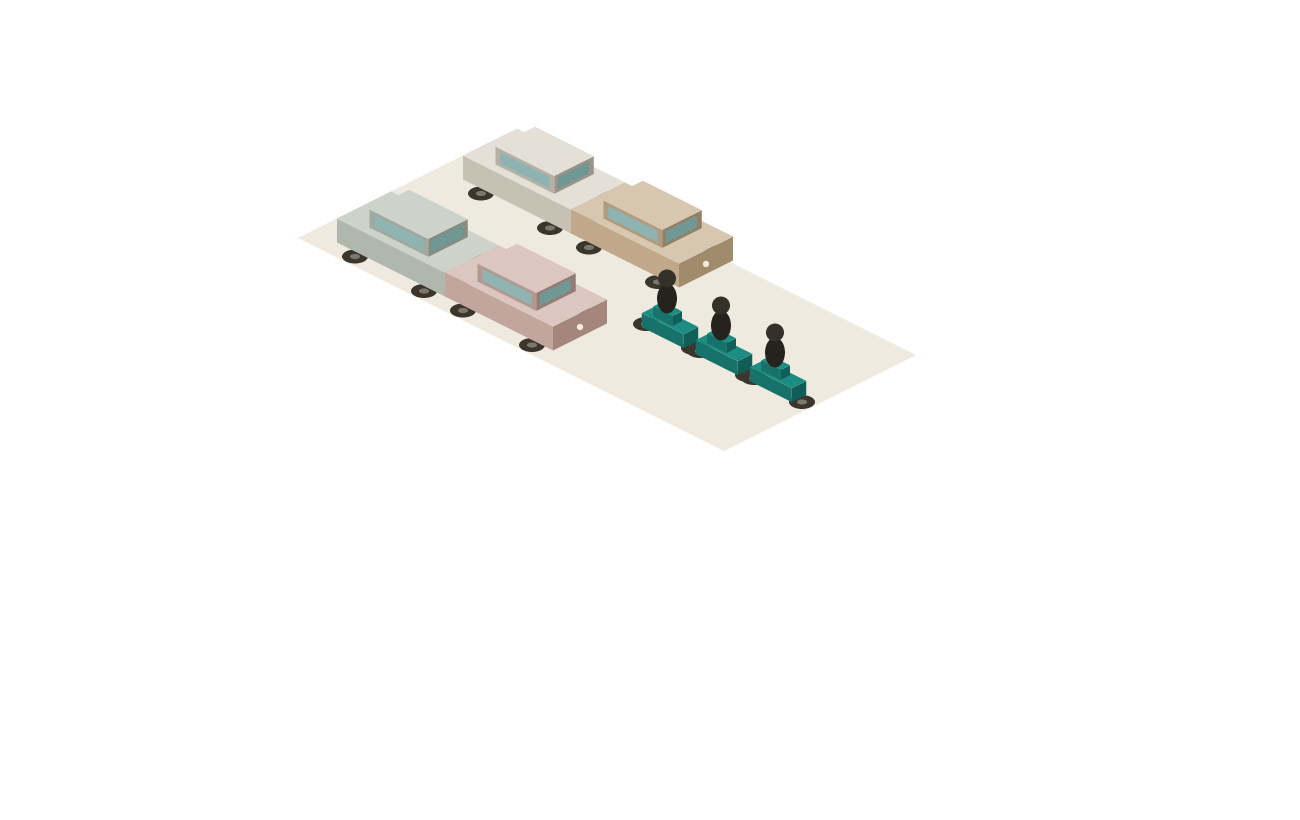
That is more than two work weeks the average Northern Virginia driver loses to traffic every year. Only motorcycles may filter, and every rider who moves up and out of the way is one less vehicle in the line you are stuck in.
less time lost for all vehicles when 10% of cars shift to motorcycles, in one modeled corridor.
verified · newatlas.comVirginia motorcycle endorsements in 2023, more than twice the registered motorcycles.
verified · dmv.virginia.govOne claim we will not oversell: that more riders makes roads safer through sheer awareness. It is plausible, but we have not found solid data for it. The congestion and emissions numbers above are the ones that hold up.
On fairness
Yes, a filtering rider reaches the light a little sooner.
Here is the honest tradeoff. Only motorcycles may filter, and a rider who moves up is getting out of your way, not cutting in front of you. That is one fewer vehicle ahead of you, so your queue is a little shorter too. The objection is fair, but the tradeoff still comes out ahead for everyone in the lane.
Watch
See the case in a few minutes.
Short explainers on what filtering is, the safety record, why it helps every driver, and where it already works. Each has captions and a full transcript below it. When you are ready, contact your delegate.
Animated illustration. Narration is an AI synthesized voice.
What lane filtering actually is
Lane filtering is the low speed move past stopped or barely moving traffic, usually at a red light. It is not high speed lane splitting between moving cars. The difference is the whole argument.
Read the transcript
Open to read the transcript.
The safety case, honestly
Riders are seven times more likely to be hit while stopped than while filtering. Injury severity falls when the speed difference with traffic is small. We also say what the studies do not prove.
Read the transcript
Open to read the transcript.
Faster for everyone, not just riders
Northern Virginia drivers lose about 103 hours a year to congestion. Only motorcycles may filter, and every rider who moves up gets out of the way, which shortens the line for the drivers left in it. Yes, riders get ahead a little; it helps you too.
Read the transcript
Open to read the transcript.
Where it already works
Arizona, California, Colorado, Minnesota, Montana, Utah, and several countries already allow some form of filtering or splitting, each with clear speed limits. Virginia would not be first; it would be following tested laws.
Read the transcript
Open to read the transcript.
The record
This is not new ground.
Six states and several countries already allow some form of filtering or splitting, each with its own speed limits. Virginia would be joining a list, not running an experiment.
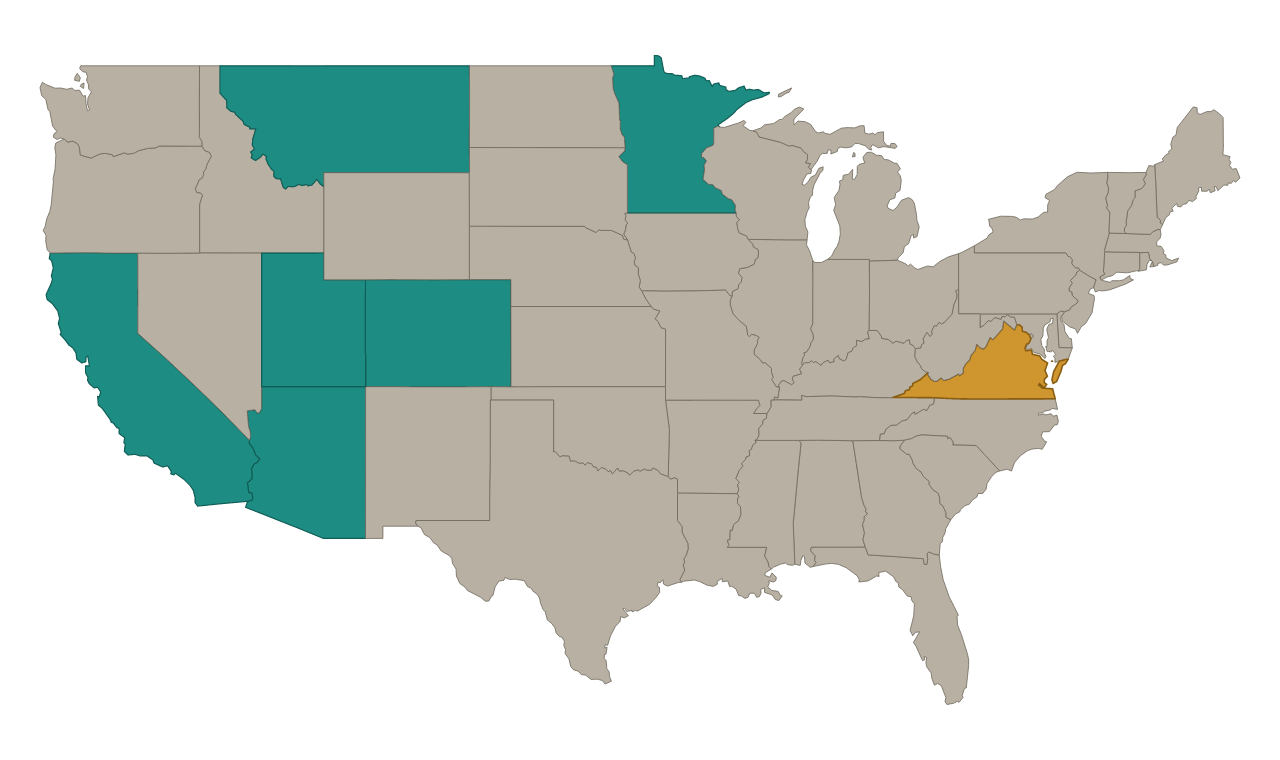
- Arizona (2022)
Pass a vehicle stopped in the same lane at 15 mph or less on streets posted 45 mph or less.
verified · azleg.gov - California (2016)
AB 51 added Vehicle Code 21658.1 and directed CHP safety guidelines.
verified · leginfo.legislature.ca.gov - Colorado (2024)
Pass stopped same-direction traffic at 15 mph or less when safe.
verified · leg.colorado.gov - Minnesota (2025)
Up to 25 mph, no more than 15 mph over traffic.
verified · dps.mn.gov - Montana (2021)
Pass stopped or slow traffic (10 mph or less) in the same lane, rider at 20 mph or less.
verified · archive.legmt.gov - Utah (2019)
Stopped traffic only, rider at 15 mph or less, roads posted 45 mph or less.
verified · ridetolive.utah.gov - New South Wales
Filtering past stopped or slow vehicles at 30 km/h or less.
verified · transport.nsw.gov.au - Virginia SB 435 (2026)
Stopped or slow traffic, rider up to 20 mph, divided highways, $300 fine for blocking a rider.
verified · lis.blob.core.windows.net
Insurance
Virginia riders already pay more.
A 2026 rate survey priced the same rider in every state. Virginia's median motorcycle premium came out higher than in every one of the six states that allow filtering. We found no premium data, rate filing, or insurer statement showing that filtering raised riders' rates in any of them.
- Virginia (no filtering)$22/mo
- Arizona$16/mo
- California$21/mo
- Colorado$14/mo
- Minnesota$11/mo
- Montana$9/mo
- Utah$17/mo
Median monthly premium for the same rider (a 40-year-old with no violations on a 2018 Honda Rebel 500), MoneyGeek state rate table, checked October 30, 2026.
verified · moneygeek.comWhen insurers weighed in on Virginia's bills, they raised safety and liability concerns. None offered premium figures.
Honest caveat: this is a commercial rate survey for one standardized rider. It shows that filtering states are not more expensive to insure. It does not prove filtering lowers premiums. The survey itself notes that rural states with lower accident and theft rates cost less.
Answering the opposition
The objections, and what the evidence says.
Watch where the bill died. SB 435 had passed the Senate 32 to 8. On March 4, 2026 it went to this House subcommittee and was laid on the table 8 to 0. Here is that hearing. The objections you see below are the ones raised in the room.
Virginia House Transportation, Highway Safety and Policy Subcommittee, March 4, 2026. We clipped these 13 minutes 50 seconds from the public record and changed nothing. Do not take our word for it, watch the full hearing on the General Assembly’s own system and check the vote yourself.
"Filtering is dangerous and increases crashes."
Riders are seven times more likely to be hit while stopped than while filtering, and injury severity falls when the speed difference with traffic is small. New South Wales ran a two-year trial and found it a relatively low risk activity before legalizing it.
verified · leg.colorado.gov"It will be hard to enforce and confuse drivers."
Six states, Arizona, California, Colorado, Minnesota, Montana, and Utah, already enforce their own versions. Utah's own safety program says filtering helps prevent the crash where a driver hits a stopped motorcycle. SB 435 was narrow: stopped or slow traffic, a 20 mph rider cap, divided highways only.
verified · ridetolive.utah.gov"Motorcycles slipping past large vehicles is unsafe near trucks."
The bill limits filtering to low speed, stopped or slow traffic on divided highways, the setting where a stopped rider is most exposed to being rear-ended. It does not permit high speed splitting between moving trucks.
verified · lis.blob.core.windows.net"There is not enough US data to show it is safe."
We agree US before and after data is still limited, and we say so. NAMIC's 2023 letter on Virginia's bill raised safety and right-of-way concerns. It never mentioned premiums, rates, or claim costs, and it acknowledged the open question of whether waiting in line to be rear-ended is the safer choice. The strongest evidence is international plus the enacted laws now running in several states. We publish the Virginia DMV study that reached no consensus too.
verified · hodspeak.house.virginia.gov"Virginia already studied this and did not recommend it."
The study group could not reach consensus, so the report recommended no legislation either way. The opposing positions it records are stated concerns: insurers on liability, law enforcement and motorist safety groups on public safety and how to make a traffic stop, and truckers on road and vehicle width. It records no crash data from opponents showing filtering raises risk. Virginia's own crash data in the same study found that crashes in traffic at 20 mph or less were under 2% of motorcycle crashes.
verified · dmv.virginia.gov"Filtering will mean costlier claims and higher premiums for drivers."
AAA made that prediction about Oregon in 2025 without a single premium or claims figure from a state where filtering is legal. Those states exist, and their rates are public: every one has a lower median motorcycle premium than Virginia in the same 2026 survey. Colorado's fiscal staff reviewed its law and listed no insurance effect at all. In Utah, after seven years, lawmakers moved to make filtering permanent.
verified · olis.oregonlegislature.govTransparency
What we collect, and what we do not.
Pledges and endorsements combined. The Virginia share counts both. Updates within about a minute while people are active.
Make sure your voice is heard. Add your pledge and email your officials.
Pledges are anonymous and no identifying data is ever stored. The headline tally combines pledges and comment endorsements, a count of public support, not an official vote.
Evidence Ledger
Check our work.
Every factual claim on this site is listed here with its primary source and a verbatim quote. 42 of 42 are verified. The same list is machine readable at /sources.json.
Riders splitting lanes when they crashed had lower injury rates: head 9% vs 17%, torso 19% vs 29%, fatal 1.2% vs 3%.
verifiedlane-splitting riders were less likely to suffer head injury (9 percent versus 17 percent), torso injury (19 percent versus 29 percent) and fatal injury (1.2 percent versus 3 percent)
Measured injury severity among crashes that happened, not whether filtering changes the odds of crashing.
UC Berkeley SafeTREC (2015) · news.berkeley.edu
The speed difference with traffic predicts injury more than speed alone; above a 15 mph differential, injury risk rose significantly. Filtering is relatively safe in traffic at 50 mph or less.
verifiedthe difference in speed between the motorcycle and the surrounding traffic was a bigger predictor of injury than speed alone
UC Berkeley SafeTREC (2015) · news.berkeley.edu
The study examined nearly 6,000 California motorcycle crashes; 997 involved lane-splitting at the time of the crash.
verifiedOf the nearly 6,000 accidents reported by the California Highway Patrol, 997 involved lane-splitting at the time of collision
UC Berkeley SafeTREC (2015) · news.berkeley.edu
A 2009 five-country European study found riders were seven times more likely to be hit while stopped than to crash while filtering, and filtering was involved in 0.45% of crashes.
verifiedmotorcyclists were seven times more likely to be hit while stopped compared to crashing while lane splitting
Colorado SB24-079 (enacted), citing MAIDS · leg.colorado.gov
New South Wales ran a two-year filtering trial and concluded it was a relatively low-risk activity, then legalized it.
verifiedLane splitting "was a relatively low risk riding activity for motorcyclists under the conditions of the trial"
Colorado SB24-079 (enacted), citing the NSW trial · leg.colorado.gov
In 2024, 6,228 motorcyclists were killed, 16% of all traffic deaths, among the highest counts since at least 1975.
verifiedIn 2024, there were 6,228 motorcyclists killed, 16% of all traffic fatalities
NHTSA, Motorcycle Safety · nhtsa.gov
Modeling a Belgian corridor, replacing 10% of cars with motorcycles cut total time lost for all vehicles by 40%; a 25% shift eliminated congestion.
verifiedtotal time losses for all vehicles decreased by 40 percent and total emissions reduced by 6 percent
Authors call it an order-of-magnitude estimate for one corridor.
Transport & Mobility Leuven (2011), via New Atlas · newatlas.com
Most of the modeled emissions drop came from less idling, not the vehicle mix: 5 of the 6 percentage points were from avoided congestion.
verified1 percent from the different traffic composition of more emission-reduced motorcycles and 5 percent from avoided traffic congestion
Transport & Mobility Leuven (2011), via New Atlas · newatlas.com
The average Northern Virginia driver loses about 103 hours and $2,500 a year to congestion; congestion cost Virginia drivers about $5 billion in 2022.
verifiedThe average Northern Virginia driver loses 103 hours to congestion each year and $2,500 in lost time and wasted fuel
TRIP, Keeping Virginia Mobile (2023) · tripnet.org
Hot-weather riding becomes dangerous above a 95F heat index; even 2% dehydration impairs reaction time; riders can lose up to 1.5 quarts of fluid an hour.
verifiedeven 2% dehydration can impair the reaction times and decision-making skills that keep us safe on the road
Harley-Davidson, Motorcycle Heat Safety · insurance.harley-davidson.com
Utah legalized filtering in 2019: stopped traffic only, rider at 15 mph or less, on roads posted 45 mph or less; it is also allowed on off-ramps.
verifiedLane filtering is legal in Utah anywhere the posted speed limit is 45 mph or less... it is allowed on off ramps
Utah DPS, Ride to Live · ridetolive.utah.gov
Utah's safety program says filtering reduces congestion at lights and helps prevent crashes where a driver hits a motorcycle stopped at a red light.
verifiedLane filtering cuts down on congestion at busy traffic lights. It also helps eliminate crashes from motorists hitting a motorcycle while stopped at a red light
Utah DPS, Ride to Live · ridetolive.utah.gov
Minnesota legalized filtering and splitting effective July 1, 2025, at up to 25 mph and no more than 15 mph over traffic.
verifiedMotorcycle lane splitting and filtering are legal on Minnesota roads as of July 1. The new law, passed by the Legislature in 2024
Minnesota Dept. of Public Safety · dps.mn.gov
California was the first state to formally allow lane splitting: AB 51 (2016) added Vehicle Code 21658.1, which authorizes splitting and directs the CHP to issue safety guidelines.
verifiedThis bill would authorize a motorcycle to be driven between rows of stopped or moving vehicles in the same lane
California AB 51 (2016), Vehicle Code 21658.1 · leginfo.legislature.ca.gov
Montana legalized lane filtering in 2021 (Senate Bill 9, MCA 61-8-392), effective October 1, 2021: a two-wheeled motorcycle may pass a stopped or slow vehicle (10 mph or less) in the same lane at no more than 20 mph.
verifiedthe overtaking motorcycle is not operated at a speed in excess of 20 miles an hour when overtaking the stopped or slow-moving vehicle
Montana Code Annotated 61-8-392 (Senate Bill 9, 2021) · archive.legmt.gov
Arizona legalized lane filtering in 2022 (SB 1273, A.R.S. 28-903(F)), effective September 24, 2022: a two-wheeled motorcycle may pass a vehicle stopped in the same lane at 15 mph or less on streets posted 45 mph or less.
verifiedSB 1273 ... took effect on September 24. The bill added subsection F to A.R.S. 28-903
Arizona SB 1273 (2022), A.R.S. 28-903(F) · azleg.gov
Colorado legalized lane filtering in 2024 (SB24-079): a motorcycle may pass stopped traffic in the same direction at 15 mph or less when safe.
verifiedfiltering at a speed less than 30 kmph (19 mph)
Colorado SB24-079 (2024, enacted) · leg.colorado.gov
New South Wales allows filtering past stopped or slow vehicles at 30 km/h or less; the filtering law does not apply to bicycles.
verifiedLane filtering is where a motorcycle rider moves past stopped or slow-moving vehicles at 30km/h or less. Lane filtering is legal in NSW
Transport for NSW · transport.nsw.gov.au
Virginia SB 435 (2026) let a two-wheeled motorcycle pass traffic stopped or at 10 mph or less, at up to 20 mph, on divided highways with two lanes each way; a $300 fine for drivers who block a filtering rider; and a statewide DMV education campaign.
verifiedA violation of this subsection is a traffic infraction punishable by a fine of $300
Virginia SB 435 (2026), LIS bill text · lis.blob.core.windows.net
SB 435 passed the Virginia Senate 32 to 8 on January 28, 2026, before dying in a House Transportation subcommittee. One senator later stated she intended to vote nay, which would have made the recorded margin 31 to 9.
verifiedRead third time and passed Senate (32-Y 8-N 0-A)
Recorded vote confirmed against the official LIS roll call (SV112): 32 yea, 8 nay, 0 abstain. Senator Durant is recorded stating she voted yea but intended to vote nay; the recorded result stands at 32 to 8, with her intended correction it would read 31 to 9.
Virginia LIS, SB 435 Senate roll call SV112 (2026 Regular Session) · lis.virginia.gov
Virginia had 431,601 motorcycle endorsements in 2023, more than twice the number of registered motorcycles.
verified2023 | 431,601
Virginia DMV, Motorcycle Endorsements 2018-2023 · dmv.virginia.gov
Virginia law already lets a person riding a bicycle pass another vehicle on either side while staying in the same lane; it bars riding between two lanes of same-direction traffic. The bill would allow motorcycles that same in-lane pass.
verifiedmay overtake and pass another vehicle on either the left or right side, staying in the same lane as the overtaken vehicle
Code of Virginia 46.2-907 · law.lis.virginia.gov
Virginia DMV's 2021 study reached no consensus and recommended no legislation; it found crashes where traffic was 20 mph or less were under 2% of motorcycle crashes.
verifiedlacking a consensus on the legalization of lane filtering in Virginia, the report contains no recommended legislation
A source that cuts against the case; published anyway per the transparency posture.
Virginia DMV Motorcycle Lane Filtering Study (2021) · dmv.virginia.gov
The American Motorcyclist Association, the national rider organization, formally endorses legalizing lane splitting and lane filtering.
verifiedThe AMA endorses the practice of legalizing lane splitting and lane filtering.
American Motorcyclist Association, Board position statement (approved 2024-10-07) · americanmotorcyclist.com
The Motorcycle Industry Council, the industry trade group, supports state laws that allow lane splitting under reasonable restrictions.
verifiedthe Motorcycle Industry Council supports state laws that allow lane splitting under reasonable restrictions
Motorcycle Industry Council, Position on Lane Splitting (2011, updated 2014), via the AMA · americanmotorcyclist.com
The Hurt Report, the most comprehensive US motorcycle crash-causation study, found moderate or heavy traffic was present in 59.2% of the crashes it studied, underscoring how much of a rider's risk comes from exposure in congested traffic.
verifiedModerate or heavy traffic was the situation at 59.2 percent of the accidents
The 1981 Hurt Report predates modern filtering laws; it is cited for the traffic-exposure context, not as a direct study of filtering. The original government report is archived at rosap.ntl.bts.gov/view/dot/6450.
Hurt, Ouellet & Thom (1981), Motorcycle Accident Cause Factors and Identification of Countermeasures, DOT HS 805 862, p.57, via the AMA · americanmotorcyclist.com
Oregon DOT's lane-sharing research report examines the practice nationally and internationally, covering motorcycle and driver safety and the potential benefits of lane-sharing.
verifiedThis report examines the use of lane-sharing (also sometimes referred to as lane-splitting and filtering) nationally and internationally and includes discussions on motorcycle and driver (auto) safety, and the potential benefits of lane-sharing.
Oregon Department of Transportation, Motorcycle Lane-Sharing · oregon.gov
Washington's Traffic Safety Commission review found that research from Australia showed lane-sharing did not reduce overall congestion but did reduce travel times for motorcyclists.
verifiedResearch from Australia found that lane-sharing did not reduce congestion but did reduce travel times - for motorcyclists alone.
Included for balance: this review found a travel-time benefit for riders but not a general congestion reduction, a narrower finding than the Leuven modeling.
Washington Traffic Safety Commission, Research and Data Division, Motorcycle Lane-Sharing (December 2017) · wtsc.wa.gov
Virginia's Department of Planning and Budget found no anticipated state fiscal impact from SB 435.
verifiedThere is no anticipated state fiscal impact associated with this proposed legislation.
Virginia Department of Planning and Budget, SB 435 State Fiscal Impact Statement (2026) · lis.blob.core.windows.net
SB 435 required a filtering rider to pass with ordinary care, a conduct standard rather than a blanket permission.
verifiedsuch motorcycle does not exceed a speed of 20 miles per hour, and the operator executes such passing with ordinary care.
Virginia Department of Planning and Budget, SB 435 State Fiscal Impact Statement (2026), bill summary · lis.blob.core.windows.net
Colorado's final fiscal note on its 2024 filtering law listed only minimal changes to fine revenue and court workload. It identified no insurance impact.
verifiedBased on the assumptions above, this fiscal note assumes any decrease in fine collection will be minimal.
The 'no insurance impact' half of this claim is an absence: the full three-page note was read and does not mention insurance.
Colorado Legislative Council Staff, SB 24-079 Final Fiscal Note (June 3, 2024) · leg.colorado.gov
In October 2026, after seven years of legal filtering, a Utah legislative committee advanced a bill to make it permanent and extend it to roads up to 55 mph. The sponsor said statewide data showed no statistical increase in crashes.
verifiedBrooks, who wants to make the law permanent, said Wednesday that statewide data showed no statistical increase in crashes due to allowing lane filtering.
The crash-data statement is the sponsor's, reported by KSL. A Utah Highway Patrol official separately said the law had not made things measurably safer or more dangerous.
KSL.com, Utah lawmakers eye permanently allowing motorcycle lane filtering (Oct. 21, 2026) · ksl.com
In Virginia, crashes where traffic moves 20 mph or slower are under 2% of motorcycle crashes and under 0.02% of all vehicle crashes, the slice of traffic a filtering law operates in.
verifiedCrashes occurring where traffic speeds are 20 mph or lower represent less than 2% of all crashes involving motorcycles and less than 0.02% of all vehicle crashes.
Virginia DMV, Motorcycle Lane Filtering Study (2021) · dmv.virginia.gov
In Virginia's DMV study, insurance representatives objected on liability grounds. They did not present premium or claims data.
verifiedInsurance representatives expressed concern about liability and presumptions related to lane occupancy.
APCIA's appended letter frames its goals as keeping premiums low and cites a French study on crash risk, but it does not claim filtering raised premiums anywhere.
Virginia DMV, Motorcycle Lane Filtering Study (2021) · dmv.virginia.gov
The National Association of Mutual Insurance Companies opposed Virginia's 2023 filtering bill on safety and right-of-way grounds. Its letter does not mention premiums, rates, or claim costs.
verifiedNAMIC's concerns about the bill revolve around its potential impact on safety.
The letter also acknowledges the ongoing discussion about whether filtering is safer than waiting in line to be rear-ended.
NAMIC letter to the Virginia House Transportation Subcommittee on HB 2127 (Jan. 25, 2023) · hodspeak.house.virginia.gov
AAA Oregon/Idaho predicted that legalizing filtering in Oregon would raise premiums for drivers. Its testimony gives no premium or claims figures from any state where filtering is legal.
verifiedThis opens the door for costly insurance claims, disputes over fault, and higher premiums for Oregon motorists.
The testimony says AAA reviewed data from other states, but the premium point itself is a prediction, not a figure.
AAA Oregon/Idaho testimony in opposition to Oregon HB 3542 (Apr. 7, 2025) · olis.oregonlegislature.gov
Virginia Code § 46.2-857 generally makes driving abreast of another vehicle in a lane designed for one vehicle reckless driving, but expressly permits two two-wheeled motorcycles to travel abreast in one lane. That exception should not be confused with permission to filter between lanes of traffic.
verifiedA person shall be guilty of reckless driving who drives any motor vehicle so as to be abreast of another vehicle in a lane designed for one vehicle, or drives any motor vehicle so as to travel abreast of any other vehicle traveling in a lane designed for one vehicle. Nothing in this section shall be construed to prohibit two two-wheeled motorcycles from traveling abreast while traveling in a lane designated for one vehicle.
Code of Virginia § 46.2-857 · law.lis.virginia.gov
In Virginia's 2021 DMV study, the groups opposed to filtering recorded concerns: insurers about liability, law enforcement and motorist safety groups about public safety and the difficulty of making a traffic stop, and truckers about road and vehicle width.
verifiedMotorist safety organizations and law enforcement representatives were also opposed to lane filtering, citing public safety concerns and the difficulty of initiating a traffic stop on a lane filtering motorcyclist for purposes of enforcement.
The same section records that insurers cited liability and that trucking representatives cited the width of primary roadways and of commercial vehicles. It records no crash data offered by opponents.
Virginia DMV Motorcycle Lane Filtering Study (2021), Stakeholder Positions, pp. 18-19 · dmv.virginia.gov
Federal motorcyclist safety grants (23 U.S.C. 405(f)) may be used for public awareness campaigns that make drivers more aware of motorcyclists.
verifiedpublic awareness, public service announcements, and other outreach programs to enhance driver awareness of motorcyclists, including “share-the-road” safety messages.
23 U.S.C. 405(f)(4)(A)(iv), Motorcyclist Safety grants · govinfo.gov
Virginia's Highway Safety Office already runs a federally funded paid media campaign telling drivers to share the road with motorcycles, budgeting $200,000 to $220,500 a year in 405(f) motorcyclist safety funds for FY2024 to FY2026.
verifieda robust earned and owned media campaign that will encourage other vehicle drivers to share the road with motorcycles and afford them a space cushion, give motorcycles a second look
The 405(f) figures are budgeted amounts from the plan's Motorcycle Safety Budget Summary (FY2024 $200,000, FY2025 $210,000, FY2026 $220,500), not reported spending.
Virginia DMV Highway Safety Office, Triennial Highway Safety Plan FY2024-2026 (Motorcycle Safety budget, p. 106; Communication Plan, p. 148) · dmv.virginia.gov
Virginia has spent federal 405(f) motorcyclist safety funds on motorist awareness paid media: $98,868 in FY2022.
verified$98,868 in 405f funds was expended on motorcycle safety, awareness and paid media activities.
Virginia DMV Highway Safety Office, FFY 2022 Annual Report · dmv.virginia.gov
Common questions
Lane filtering in Virginia, answered.
How can I support lane filtering in Virginia?
- Contact your state delegate and senator, share the explainer videos, and tell other riders and drivers why low-speed filtering is safer and reduces congestion for everyone. Grassroots constituent pressure is how a bill like SB 435 comes back and passes.Ready to do more than write? Email Tom to volunteer to testify and the Virginia Coalition of Motorcyclists can call on your voice at the next hearing.
Is lane filtering legal in Virginia?
- No. As of 2026, Virginia has no law authorizing lane filtering or lane splitting, and both are currently treated as illegal. SB 435 would have legalized low-speed filtering, but it did not become law. Today a rider who filters can be cited. That is the status quo this campaign wants to change, carefully and at low speed, the way other states already have.
What is the difference between lane filtering and lane splitting?
- Lane filtering is a motorcycle moving between stopped or very slow traffic, such as at a red light, at low speed. Lane splitting is riding between lanes of traffic that is still moving, usually at higher speed. The distinction matters because the law treats them differently, and SB 435 addressed only the slower, narrower move.
What would SB 435 have allowed?
- SB 435 would have let a two-wheeled motorcycle pass traffic that was stopped or moving at 10 mph or less, at a speed no greater than 20 mph, on divided highways with at least two lanes in each direction. It also set a $300 fine for drivers who intentionally blocked a filtering rider, and called for a statewide DMV education campaign. It was a narrow, speed-limited bill, not a free pass to weave through moving traffic.
Is lane filtering safe?
- Research points one way. A UC Berkeley SafeTREC study found that filtering at a low speed difference is a relatively safe maneuver, and a motorcyclist stopped in a lane is especially exposed to being rear-ended. Filtering moves the rider out of that spot. The safety depends on keeping speeds low, which is exactly what every filtering law, including SB 435, requires.
Does lane filtering reduce traffic?
- Yes, and for everyone, not just riders. Only motorcycles may filter. When a motorcycle moves up and out of the way rather than occupying a full car length in the queue, the line of cars behind it is shorter. Modeling of a real highway found that replacing a share of cars with filtering motorcycles cut the time lost for all vehicles. A motorcycle takes a car's place in line but a fraction of its space.
Would legalizing lane filtering raise insurance premiums?
- There is no evidence it would. Virginia riders already pay more: in a 2026 survey that priced the same rider in every state, Virginia's median motorcycle premium was higher than in all six states that allow filtering. We found no premium data, rate filing, or insurer statement in any of those states showing rates went up because of filtering. When insurers weighed in on Virginia's bills, they raised safety and liability concerns and offered no premium figures. That is evidence against a premium penalty, though it does not prove filtering makes insurance cheaper.
What standard would a filtering rider be held to?
- Fault in any crash is decided by a court. Virginia's standard is ordinary care, and speed is only one of the circumstances a court weighs. SB 435 wrote that standard into the bill: a rider could pass only traffic that was stopped or moving at 10 mph or less, at no more than 20 mph, and with ordinary care.
Who would pay for the driver education campaign?
- Virginia's own fiscal impact statement found no anticipated state fiscal impact from SB 435. The driver education campaign it required fits a federal program that already exists: federal motorcyclist safety grants may be used for public awareness campaigns that make drivers more aware of motorcyclists. Virginia already receives those grants and already spends them on a paid media campaign asking drivers to share the road with motorcycles. A filtering message would be eligible for the same federal funds, at no new cost to Virginia taxpayers.
What states allow lane filtering?
- Six states already allow motorcycles to move between lanes of traffic, each under its own conditions: Arizona, California, Colorado, Minnesota, Montana, and Utah. Several countries have allowed filtering for decades. Virginia would be following tested law with years of data behind it.